
About Mexico
About Mexico
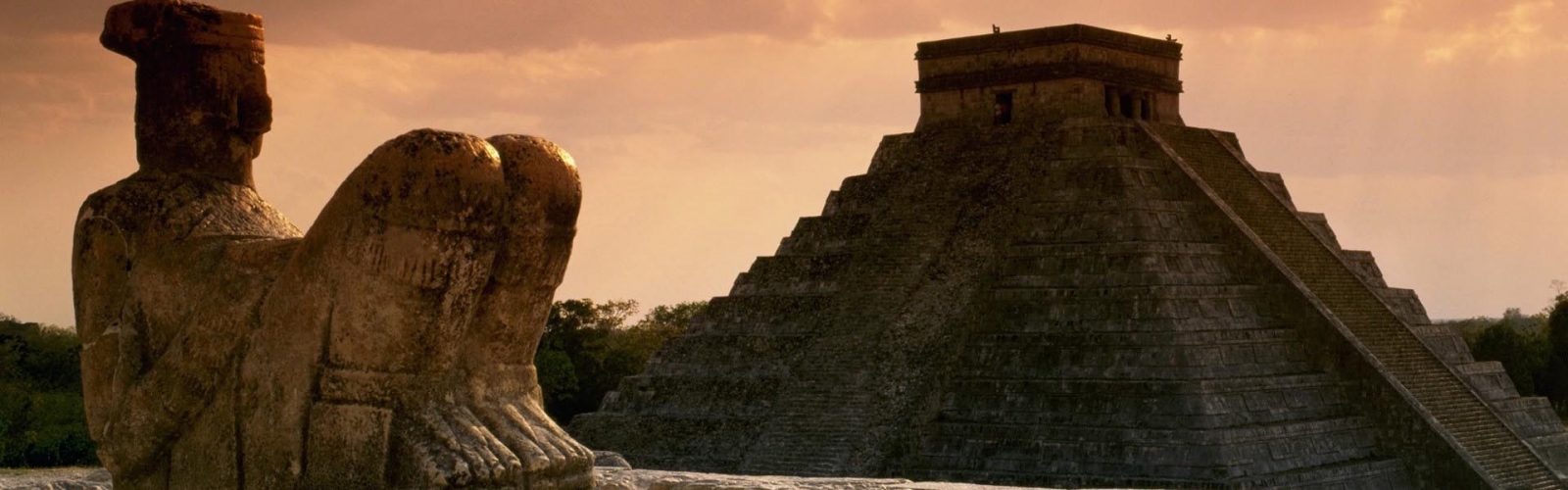
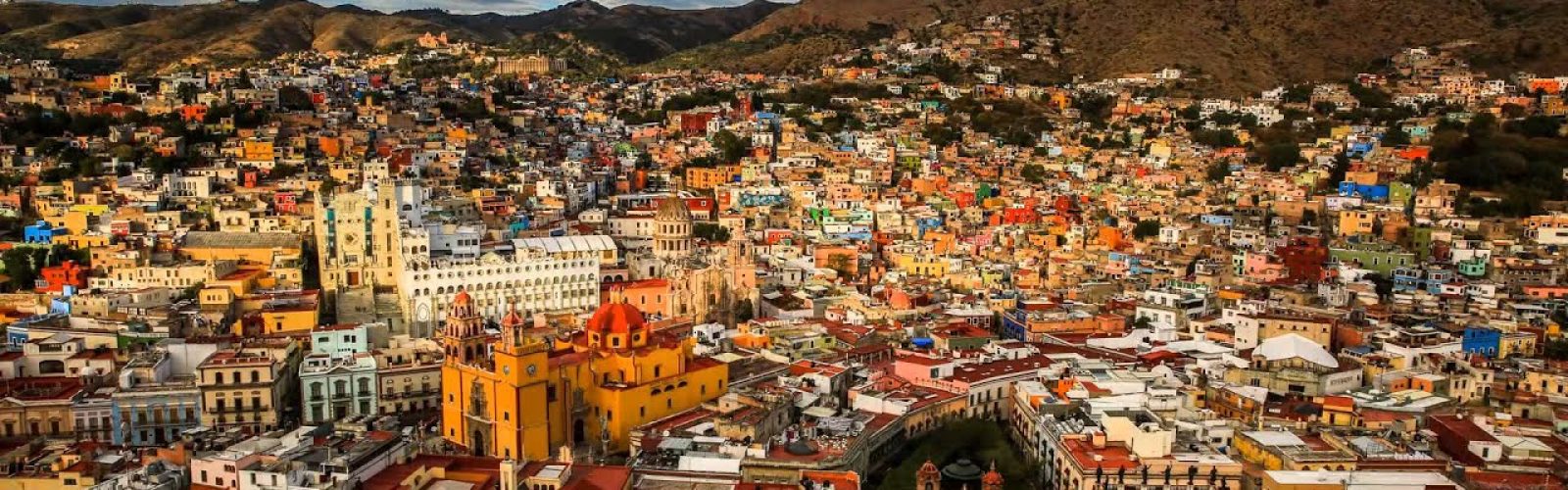
Mexico is a culturally and historically rich country with widespread scuba diving regions. It's located in the southern portion of North America and is the sixth-most-visited country in the world. A population of over 120 million people means it’s the world’s largest Spanish-speaking country. The advanced Mayan civilization originated in the Yucatan area of what is now Mexico around 2600 BC. Hundreds of pristine dive sites offer a variety of dive experiences.DIVING COZUMEL, RIVIERA MAYA, ISLA MUJERES
Cozumel is renowned for its drift diving, characterized by excellent underwater visibility and an abundance of marine species. Depending on the season, currents may vary from nonexistent to about two knots. At times, you may be able to experience the Cozumel Drift. This means spectacular scuba diving with minimal effort.
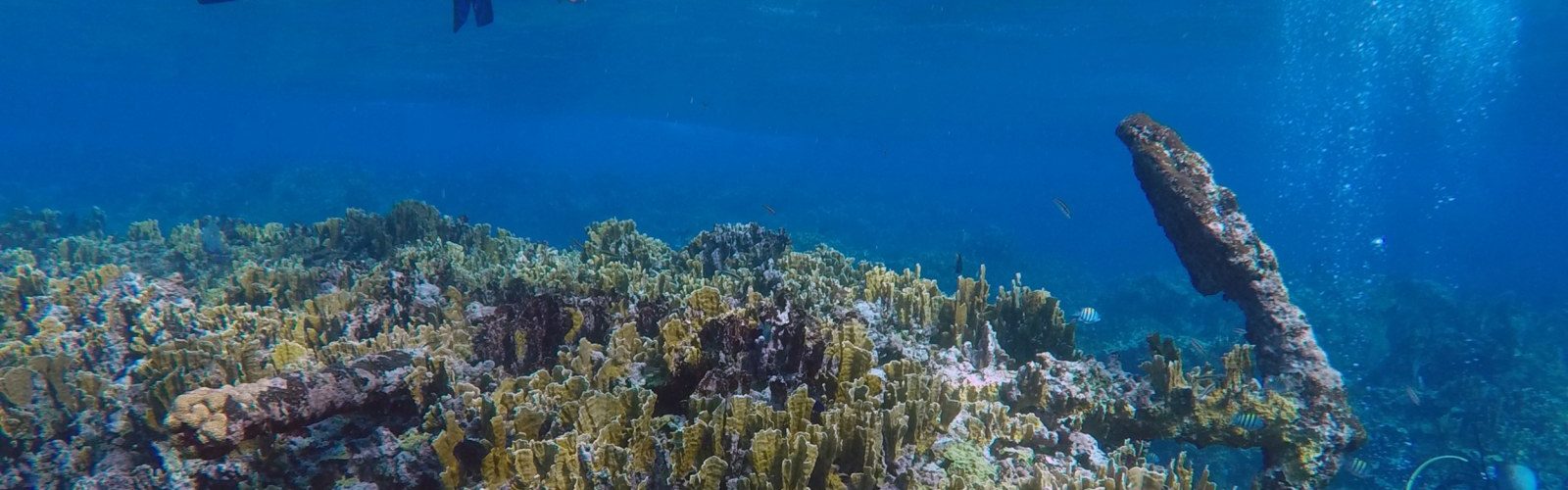
Cozumel is suitable for divers of all levels, from beginners with good buoyancy to experienced divers. Although there is some shore diving, the best diving is from boats. As such, there are 40 dive sites and miles of underwater scenery to explore. You can see sea turtles, stingrays, nurse sharks, small black tips, barracudas, and the indigenous toadfish. Some of the top dive sites include Santa Rosa Wall, Columbia Wall, Paradise, and Palancar Reef. For more information about dive trips in Cozumel, read our blog post: Destination Spotlight: Cozumel, Mexico.
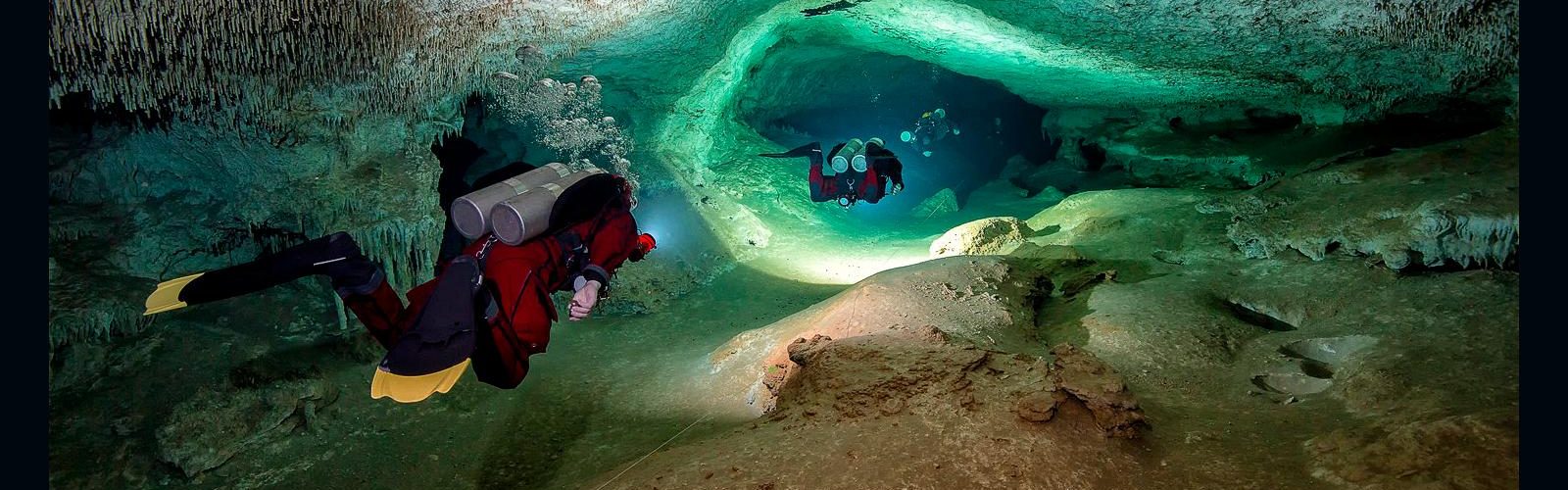
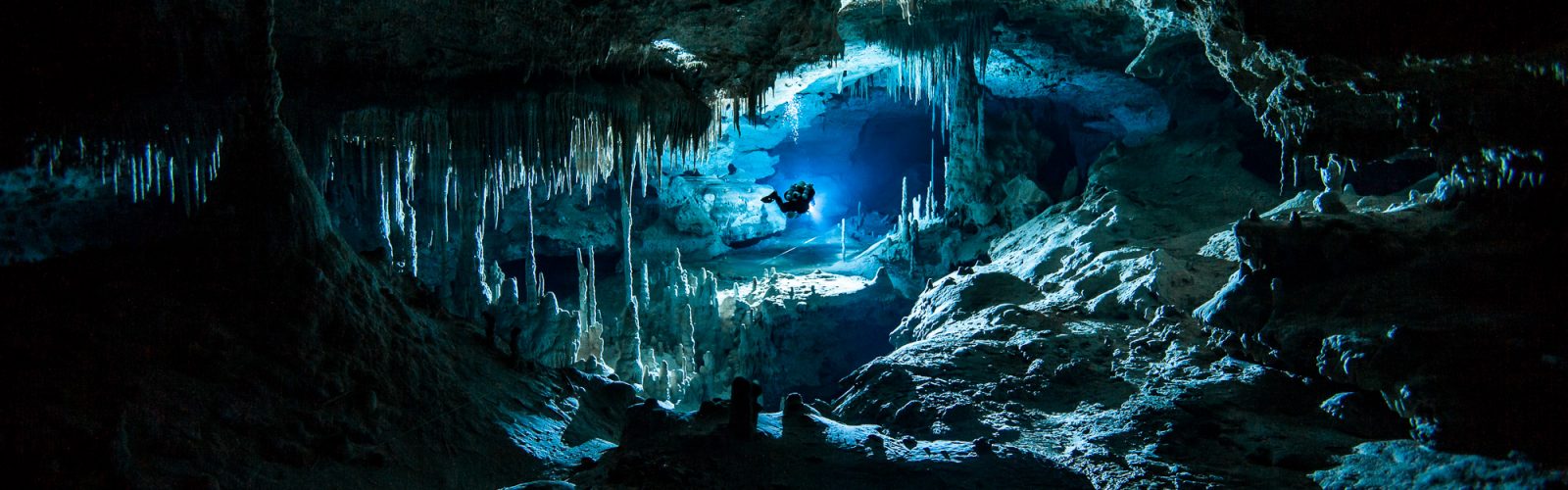
Riviera Maya is on Mexico’s northeastern Yucatán Peninsula. Scuba diving predominates the 65-mile length of its Caribbean Sea coastline. As a result, from Puerto Morales to Tulum, there are an extensive number of dive sites. You can expect dives to healthy coral reefs, walls, and even a few wrecks. Currents in this area provide divers with excellent underwater visibility, enabling them to spot a diverse array of marine fish, invertebrates, and mollusks. Turtles, sharks, rays, and eels are common in this area. Pared Verde off Playa del Carmen and Xaak near Akumal are among the best dive sites. This area is also renowned for its Cenotes. These are land-based entrances to freshwater underground river systems with unique geological architecture. Dos Ojos is one of the most famous and most often visited cavern dive sites. Learn more about Rivera Maya from our blog: The Riviera Maya.
Near Cancun
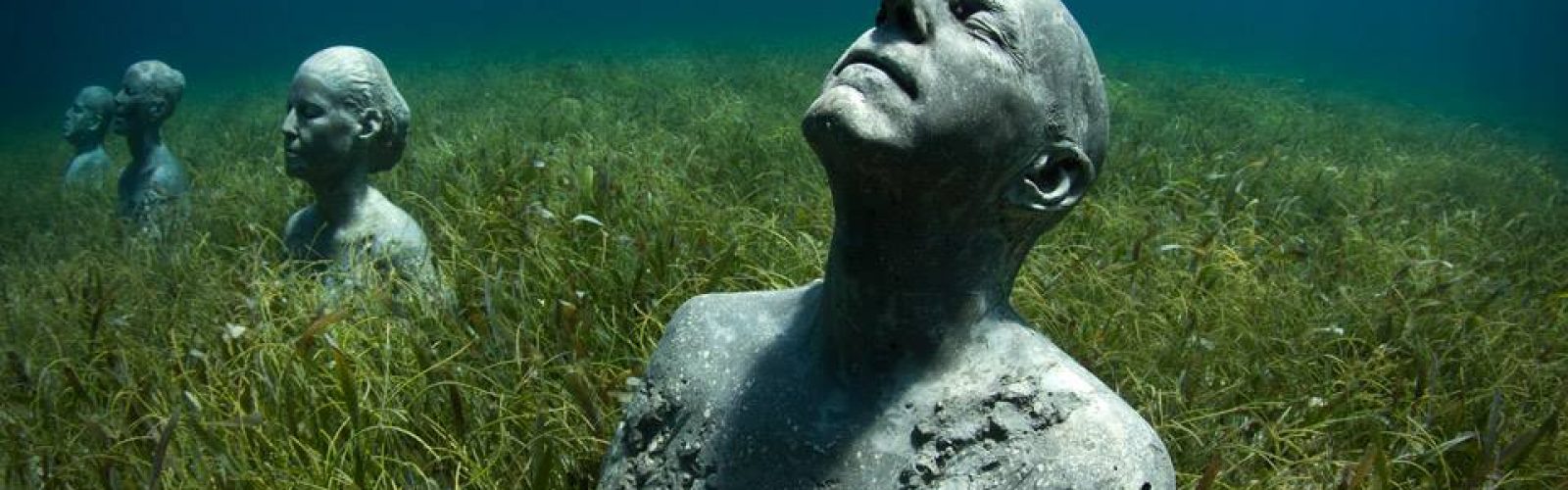
While Isla Mujeres, located off Cancun, is not as well known, it has appeal for both beginner and experienced divers. Coral reefs dominate the dive sites, but there are also arches, ledges, and wrecks to explore. Besides the usual reef species of marine life, like soft corals and sponges, you can also expect eels, rays, turtles, and sharks. Whale shark season spans from June to September, when hundreds of whale sharks migrate to feed on the plentiful plankton in these waters. Prominent dive sites include MUSA (an underwater museum), Punta Negra, and the C58 Minesweeper wreck.Diving the Baja Peninsula
La Paz is one of Mexico’s most cosmopolitan cities and it is also the origin of many dive liveaboards. The diving matches the city both in terms of variety and quality. The Sea of Cortez is home to sea lions, whale sharks, manta and mobula rays, dolphins, huge schools of fish, and some fascinating macro life.
Scuba diving in Espirito Santo and the Partida Islands means encountering sea lions, hammerhead sharks, manta rays, and whale sharks. Cabo Pulmo National Park is famous for its abundance of marine life. Well-known dive sites include El Bajo (Seamount), Los Islotes, La Reina, and the Salvatierra wreck. Cabo San Lucas is at the southern tip of the Baja Peninsula. Its marine park is best known for its dramatic rock formations and wall dives. Here you have the chance to see beautiful coral reefs and many different types of rays. You can also experience the famous Sand Falls and sea lion colony next to the iconic rock arch. Also, the deep seamounts at Gordo Banks mean encountering pelagic fish. Visitors can view marlin, sailfish, dorado, wahoo, large schools of tuna, and jacks, as well as whale sharks. The Blowhole also allows you to view underwater pinnacles and large schools of fish.
Offshore Islands
Socorro Island is a small volcanic island, but it is also the largest of the four Revillagigedo Islands. The island, located 250 miles off the southern Baja coast, offers pristine diving for tourists. From November to June, you can experience once-in-a-lifetime encounters with the ocean's largest creatures. Along with giant manta rays, pods of dolphins, and multiple shark species, you can also encounter humpback whales. This area can only be accessed by dive liveaboards, and the sea conditions and currents require more experienced divers. Key dive sites for these islands include Cabo Pearce, El Canyon, and The Boiler.
Guadalupe is a small island in the Pacific Ocean located around 165 miles west of Mexico’s Baja Peninsula. This is another location only accessible by liveaboard dive trips. Compared to other dive destinations, there are no colorful reefs. This location is all about diving with the great white shark. You can observe, encounter, and photograph this apex predator from a safety cage. Beyond this island, there are only a few locations where you can see great whites. The diving season is August to October, as the ocean is calmest with colder temperatures.
Mexico Attractions and Activities
There are hundreds of restaurants scattered throughout Mexico and its offshore islands. If you want to explore the local history, San Gervasio is an archaeological site of the pre-Columbian Maya civilization, located in the northern third of the island of Cozumel. You can also visit the Tulum archaeological site. Museo Regional de Antropología E Historia in La Paz offers opportunities to learn about indigenous culture and cave paintings. Similarly, Iglesia de San Lucas and Town Square in Cabo San Lucas showcase the 1730 church and Spanish architecture. Almost every activity imaginable is available to complement your dive trips.
Mexico Accommodations
Mexico offers scores of all-inclusive dive resorts, condos, and hotels.
Mexico offers scores of all-inclusive dive resorts, condos, and hotels. Here are a few all-inclusive dive resorts and liveaboard options in Cozumel:
- Catalonia Grand Costa Mujeres Resort: This all-inclusive resort is located just north of Cancún and offers easy access to Isla Mujeres, where divers can enjoy coral reefs, arches, wrecks, and unique sealife.
- Catalonia Playa Maroma Resort: Situated near Playa Maroma, this resort provides access to one of Mexico's most stunning beaches, renowned for its soft, white sand and turquoise waters. This all-inclusive resort offers beachfront access, pools, a variety of dining options, and activities suitable for both families and couples.
- Catalonia Riviera Maya Resort: Situated in Puerto Aventuras along the Riviera Maya, this all-inclusive property offers entertainment, sports, kids’ clubs, and nearby diving or snorkeling excursion opportunities.
- Dreams Cozumel Cape Resort and Spa: Along with access to a dive facility and scuba courses, this dive resort boasts 154 guest rooms or suites with 24-hour room service.
- Iberostar Cozumel: This resort offers easy access to drift diving sites where you can see various fish and coral species. Relax by the pool or enjoy an oceanfront view from your room after your daily dive trips.
- Nautilus Dive Liveaboard: These liveaboard trips are designed for divers seeking large pelagic encounters, featuring multiple dives per day, professional guides, and full-boat amenities. A liveaboard is the only way to access locations like Socorro Island, found in the Revillagigedo Archipelago.
- Secrets Aura Cozumel: Explore the second-largest barrier reef in Mexico with help from the boats offered at this dive resort. You will also have access to numerous nearby drift dives that are ideal for beginners.
Schedule Mexico Dive Trips Today
Dive trips in Mexico offer one-of-a-kind experiences with local sealife, ranging from shallow reef explorations to deep wall dives teeming with biodiversity. Maduro Dive also provides exclusive deals for local dive resorts around the world. Request a quote today to learn more about your dream dive destination.