
Every dive destination features unique underwater conditions and marine life, and scuba trips differ by activity type and difficulty to match different skill levels. Travel packages combine lodging with scheduled dives, providing access to multiple sites. Here’s what to know about dive types and destinations that fit your skill level.
Selecting Dive Trip Types

Dive trips for recreational diving typically include several different types of environments, each suited to your personal comfort levels and what you want to see:
- Moored diving: a fixed location on a single dive site
- Drift diving: divers are carried by currents over reefs or wrecks
- Wall diving: coral reefs along the top and side of vertical drop-offs
- Wreck diving: sites with sunken ships or artificial structures
- Muck diving: sandy or silty ocean bottoms in shallow depths
- Night diving: scuba diving after sunset, often part of resort or liveaboard itineraries
When planning your trip, determine what types of dives you’re most interested in. Consider variables like current speed, visibility, water temperature, and depth to make sure the dives match your skill level and interests.
Choosing Trip Formats
Dive trips are commonly organized as either dive resort-based stays or liveaboard trips. Resort-based diving involves staying at a fixed location and traveling to nearby dive sites on scheduled boat trips led by guides. Packages often combine lodging and amenities with a set number of dives.
Liveaboard trips take place on boats that follow planned routes over the course of a week or 10 days. You’ll typically complete multiple dives per day while moving between sites, which allows access to more remote sites than those typically accessible on day trips.
Exploring Top Destinations
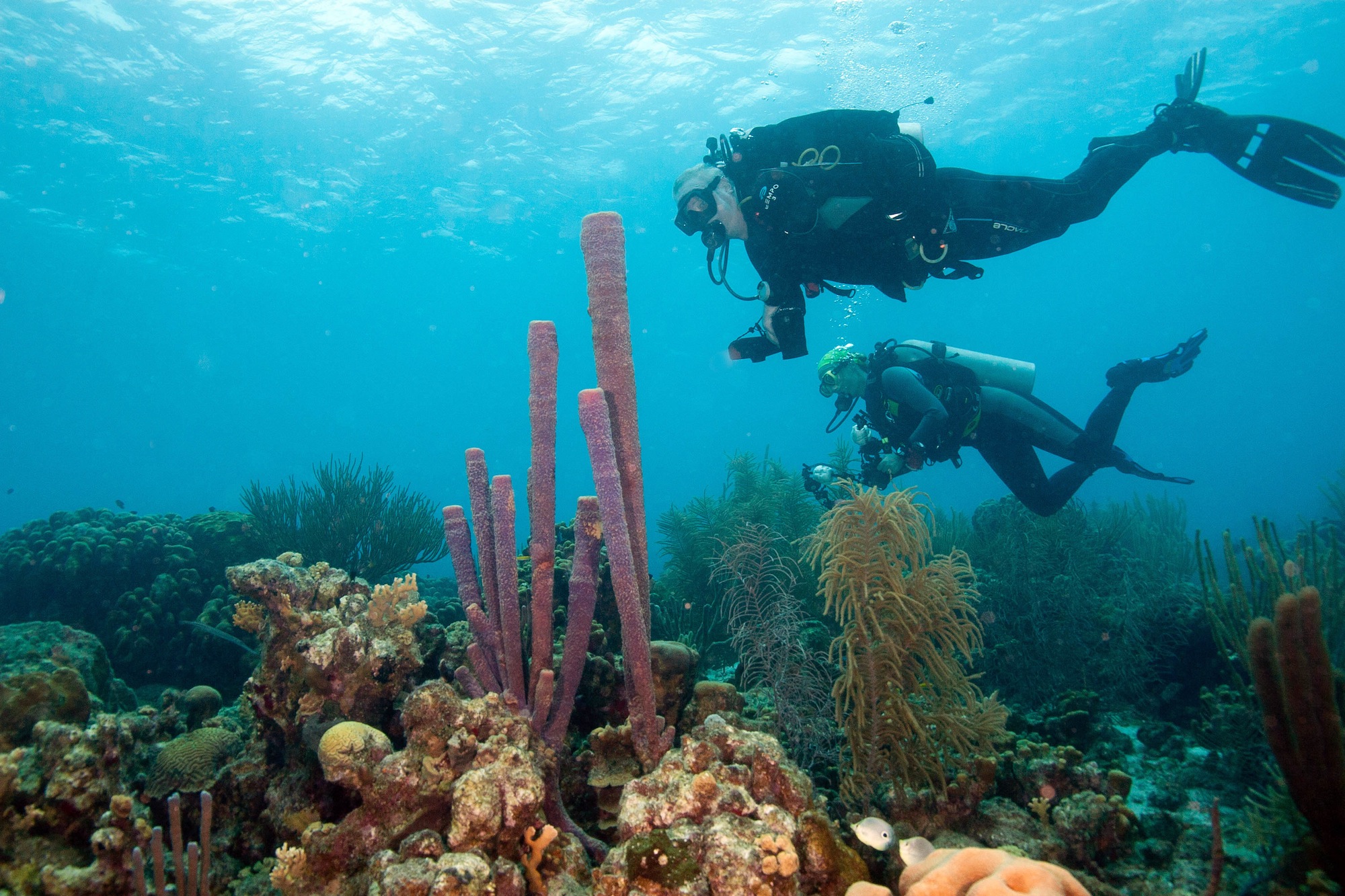
Many divers look for destinations with distinct features, but it’s important to match your trip selection to your skill level. The Great Barrier Reef and Coral Sea are known for large schools of fish and open-water species, and some sites involve deeper water or stronger currents. Calm, moored dive sites and shore diving are common in Bonaire, making it a forgiving choice for newer divers.
Raja Ampat and North Sulawesi range from steep reef walls to muck diving. Conditions can vary between calm and challenging. The Fiji Islands offer wall, reef, and drift diving with varying currents, along with shark encounters that often appeal to more experienced divers. For a closer look at matching liveaboard destinations to skill level specifically, see our guide on choosing the right liveaboard for your skill level.
Evaluating Dive Conditions
Water movement can range from calm conditions to strong currents. It influences how you’ll plan and maintain your position in the water. If there’s a lot of dusk or night diving in your chosen location, use a dive torch to improve visibility and observe your surroundings. In areas with dense reef structures, controlled movements and good buoyancy help prevent contact with coral and other marine life.
Before you book, ask your dive travel specialist about expected current strength, depth, visibility, and water temperature for the season you're traveling. Conditions can shift throughout the year even at the same destination. Knowing what to expect ahead of time helps you judge whether a trip matches your comfort level before you commit.
Plan for Your Dive Trips
Comparing dive package details helps you understand how often you’ll dive, the types of activities offered, and the features of the destination. Some packages focus on specific experiences, like wreck or drift dives, while others combine multiple activities within one itinerary. Contact our Maduro Dive scuba dive travel specialists to plan and book trips that fit your itinerary and skill level.
Recent Posts
- Best Underwater Photography Locations for Dive Trips
- 11 Caribbean Dive Resorts for Unforgettable Experiences
- Best Scuba Diving Destinations For Your Next Dive Trip
- How To Combine Dive Trips And Local Culture
- Top 5 Tips For Planning Your Next Dive Vacation
- The Benefits of Liveaboard Dive Trips and Why You Should Try One
- 3 Unique Dive Destinations For Your Next Dive Vacation
- Unforgettable Experiences at Exotic Dive Resorts Around the World
- Unique Dive Trips Focused on Underwater Archaeology
- Choose the Right Type of Dive Trip for Your Skill Level
Categories
- Australia
- Bahamas
- Bay Islands
- Belize
- Blue Hole
- Bonaire Diving
- Borneo
- Cayman Brac
- Cayman Islands
- Cozumel
- Curacao
- Cuttlefish
- Dive Destinations
- Dive Equipment
- Dive Liveaboards
- Dive Resorts / Properties
- Dive Travel
- Dive Travel Deals
- Diver Wellness
- Dolphins
- Dominica
- Eagle Rays
- eagle rays
- Family Travel
- Fiji
- Galapagos Islands
- Great White Shark cage diving
- Guanaja
- Honduras
- Indonesia
- Infographics
- Isla Mujeres
- Learning to Dive
- Little Cayman
- Maduro Dive Newsletter
- Malaysia
- Maldives
- Manta Rays
- Marine Life
- Mexico
- Micronesia
- Muck Diving
- Myamar
- Palau
- Papua New Guinea
- Pelagics
- Philippines
- Pinnacles
- Polynesia
- Reefs
- Riviera Maya
- Roatan
- Saba
- Sabah
- Scuba Diving
- Scuba Gear Reviews
- Scuba News/Events
- Scuba Training & Education
- Sea Legends
- sea lions
- Sea of Cortez
- Sharks
- Single Travel
- Sipadan
- Socorro Islands
- Solomon Islands
- South Africa
- Specialties
- ST. Kitts
- Stingrays
- Tahiti
- Thailand
- The Bucket List
- Tobago
- Truk Lagoon (Chuuk)
- Turks and Caicos Islands
- Turtles
- Uncategorized
- Underwater Photography
- Underwater Video
- Utila
- Walls
- Whale Sharks
- Whales
- Wreck Diving
- Wrecks
- Yap
Archives
- October 2026
- September 2026
- August 2026
- July 2026
- April 2026
- March 2026
- February 2026
- January 2026
- November 2025
- October 2025
- September 2025
- August 2025
- July 2025
- June 2025
- January 2024
- April 2023
- March 2020
- March 2019
- January 2019
- November 2018
- September 2018
- July 2018
- May 2018
- March 2018
- January 2018
- October 2017
- September 2017
- June 2017
- April 2017
- February 2017
- January 2017
- October 2016
- August 2016
- July 2016
- May 2016
- March 2016
- February 2016
- January 2016
- December 2015
- August 2015
- June 2015
- April 2015
- January 2015
- November 2014
- July 2014
- April 2014
- February 2014
- December 2013
- November 2013
- October 2013
- September 2013
- August 2013
- July 2013
- June 2013
- May 2013
- April 2013
- March 2013
- February 2013
- January 2013
- December 2012
- November 2012
- October 2012
- September 2012
- August 2012
- July 2012
- June 2012
- May 2012
- April 2012