
As a diver, your primary travel goal may be to spend as much time underwater as possible, but many destinations have rich local cultures worth exploring during your topside time. Combining experiences both underwater and on land will only deepen your understanding of a destination's history and people and enrich your vacation memories. Here are several ways you can blend dive trips and local culture.
Where can you dive historic World War II shipwrecks?

Truk Lagoon in Micronesia offers some of the world's most famous historic shipwreck diving. Dives here immerse you in the region's World War II history. Dive liveaboards give you direct access to the Ghost Fleet, where you can dive on over 50 ships and plane wrecks from the Japanese Navy sunk during Operation Hailstone in 1944.
This underwater museum features plenty of intact artifacts left behind from the war. Items include tanks, trucks, and personal items like gas masks and dishware. Exploring these wrecks connects you with the local Micronesian communities who lived through the war and still share its history today. A visit to the Kimiuo Aisek Memorial Museum lets you view remnants of these wrecks on land.
Marine life highlights
- Schools of snapper and fusilier around the wreck structures
- Large barracuda and reef sharks patrolling the open water
- Over 300 species of hard and soft coral, plus sponges, nudibranchs, and shrimp encrusting the wrecks
Where can you see traditional stone money while diving?

Combine dive trips and local culture by viewing ancient stone money in Yap, part of Micronesia. This experience offers insight into a unique local cultural and economic tradition. When you stay at a resort in Yap, you can visit stone money banks in traditional villages. These massive limestone discs retain ceremonial value, and communities still use them in special exchanges today.
Guided tours and visits to the Living History Museum show how the stones are arranged within village layouts. You can also explore traditional Bai meeting houses, showcasing wood carvings and thatched roofs that highlight local craftsmanship. Tours often recount the perilous voyages divers took to quarry the stones in Palau and transport them by canoe across the ocean.
Marine life highlights
- Giant manta rays at cleaning stations
- Grey reef sharks cruising the channels
- Colorful reef fish in warm water with mild currents
Where can you dive alongside ancient Mayan ruins?
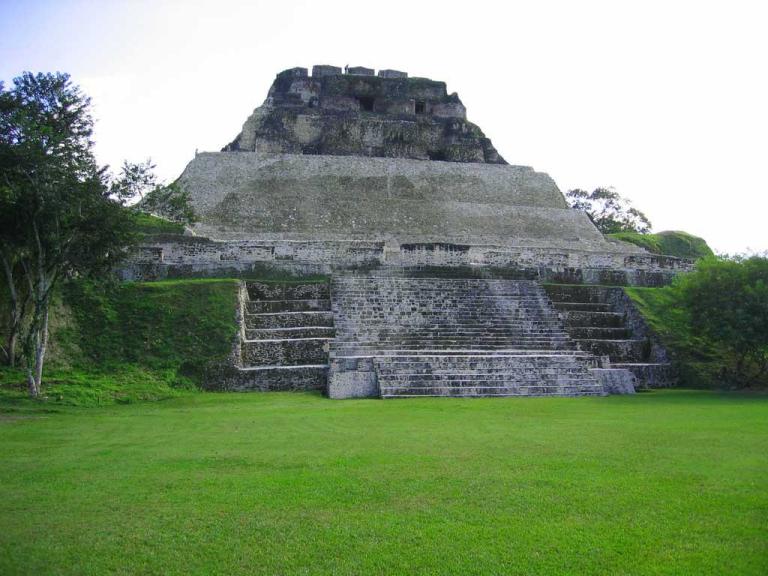
Exploring archaeological ruins in the Riviera Maya of Mexico gives you historical context for the region's unique geography. When you stay at a coastal resort here, you can explore the Mesoamerican Reef and nearby cenotes, then visit inland Mayan sites to learn about the civilization that once inhabited the area.
These excursions reveal the advanced engineering and astronomical knowledge of the Mayan people. Your archaeological visit might take you to a pyramid in Cobá, one of the tallest in the region and accessible via guided tours, or to ruins surrounded by cenotes, the natural sinkholes that connect to the region's underwater cave systems.
Marine life highlights
- Sea turtles, especially Akumal's large resident population
- Whale sharks near Isla Mujeres in summer and bull sharks off Playa del Carmen from November to March
- Crystal-clear cenotes with dramatic stalactite and stalagmite formations
Where can you experience village culture on a dive trip?

Indigenous village trekking in destinations like Papua New Guinea offers a window into the social and spiritual life of local communities. As a guest at the dive resort in Tufi, a remote fjord region in Oro Province, you can combine scuba adventures with cultural experiences. Guided village walks bring you face-to-face with communities who still build traditional sago-palm homes and canoes, weave string bags, and make fishing nets by hand.
Tufi is known for its tradition of female tattooing, a practice once used to mark status and rites of passage that villages still keep alive today. You can watch artisans create tapa cloth from bark and see traditional dances performed in customary dress. Many village visits end with a mumu, a feast of meat and vegetables cooked slowly in an underground earth oven.
Marine life highlights
- Colorful soft corals, sea fans, and sponges along Tufi's fjord walls and reefs
- Macro finds like pygmy seahorses, mandarinfish, nudibranchs, and frogfish
- Reef sharks, barracuda, and schooling fish across Milne Bay's dive sites
Learn more about combining diving and culture
Diving in unique locations often gives you more than encounters with marine life. It opens a window into the local culture and ways of life that have developed alongside these coastal and island environments.
You can pair your underwater explorations with experiences on land that reveal traditions, artistic expressions, and community practices, showing how people interact with and care for their surroundings.
Reach out to Maduro Dive and our professional dive travel specialists to discover opportunities that combine underwater adventure with cultural insight.
Recent Posts
- Best Scuba Diving Destinations For Your Next Dive Trip
- How To Combine Dive Trips And Local Culture
- Top 5 Tips For Planning Your Next Dive Vacation
- The Benefits of Liveaboard Dive Trips and Why You Should Try One
- 3 Unique Dive Destinations For Your Next Dive Vacation
- Unforgettable Experiences at Exotic Dive Resorts Around the World
- Unique Dive Trips Focused on Underwater Archaeology
- Choose the Right Type of Dive Trip for Your Skill Level
- Liveaboard Diving for Beginners: What to Know Before You Book
- Exploring Family-Friendly Dive Trips
Categories
- Australia
- Bahamas
- Bay Islands
- Belize
- Blue Hole
- Bonaire Diving
- Borneo
- Cayman Brac
- Cayman Islands
- Cozumel
- Curacao
- Cuttlefish
- Dive Destinations
- Dive Equipment
- Dive Liveaboards
- Dive Resorts / Properties
- Dive Travel
- Dive Travel Deals
- Diver Wellness
- Dolphins
- Dominica
- Eagle Rays
- eagle rays
- Family Travel
- Fiji
- Galapagos Islands
- Great White Shark cage diving
- Guanaja
- Honduras
- Indonesia
- Infographics
- Isla Mujeres
- Learning to Dive
- Little Cayman
- Maduro Dive Newsletter
- Malaysia
- Maldives
- Manta Rays
- Marine Life
- Mexico
- Micronesia
- Muck Diving
- Myamar
- Palau
- Papua New Guinea
- Pelagics
- Philippines
- Pinnacles
- Polynesia
- Reefs
- Riviera Maya
- Roatan
- Saba
- Sabah
- Scuba Diving
- Scuba Gear Reviews
- Scuba News/Events
- Scuba Training & Education
- Sea Legends
- sea lions
- Sea of Cortez
- Sharks
- Single Travel
- Sipadan
- Socorro Islands
- Solomon Islands
- South Africa
- Specialties
- ST. Kitts
- Stingrays
- Tahiti
- Thailand
- The Bucket List
- Tobago
- Truk Lagoon (Chuuk)
- Turks and Caicos Islands
- Turtles
- Uncategorized
- Underwater Photography
- Underwater Video
- Utila
- Walls
- Whale Sharks
- Whales
- Wreck Diving
- Wrecks
- Yap
Archives
- September 2026
- August 2026
- July 2026
- April 2026
- March 2026
- February 2026
- January 2026
- November 2025
- October 2025
- September 2025
- August 2025
- July 2025
- June 2025
- January 2024
- April 2023
- March 2020
- March 2019
- January 2019
- November 2018
- September 2018
- July 2018
- May 2018
- March 2018
- January 2018
- October 2017
- September 2017
- June 2017
- April 2017
- February 2017
- January 2017
- October 2016
- August 2016
- July 2016
- May 2016
- March 2016
- February 2016
- January 2016
- December 2015
- August 2015
- June 2015
- April 2015
- January 2015
- November 2014
- July 2014
- April 2014
- February 2014
- December 2013
- November 2013
- October 2013
- September 2013
- August 2013
- July 2013
- June 2013
- May 2013
- April 2013
- March 2013
- February 2013
- January 2013
- December 2012
- November 2012
- October 2012
- September 2012
- August 2012
- July 2012
- June 2012
- May 2012
- April 2012